From Fabric Sample to Finished Room: Choosing Sofa Covers and Bedding That Work Together
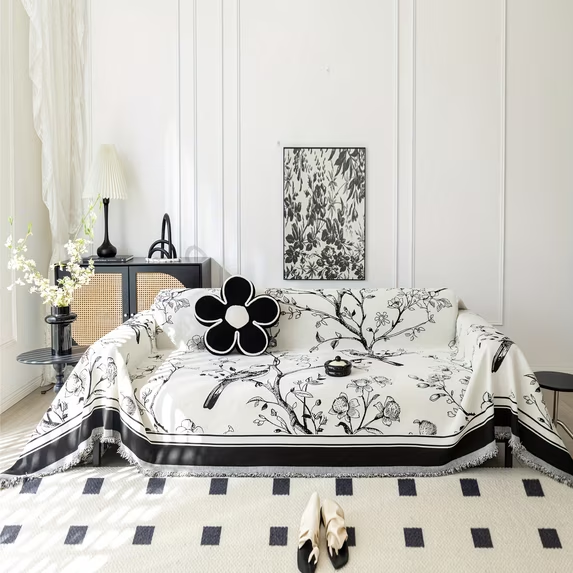
A fabric sample may feel wonderfully soft and look sophisticated, but still be inappropriate for the furnishing you have in mind. Once the same material is stretched over a sofa, fashioned into a cover or sewn into bedding, its behaviour can change considerably. The weight influences how the fabric hangs, the surface responds differently to changing light, and the construction affects how straightforward maintenance will be.
Deciding on a sofa cover, sofa panel or bed cover consequently goes beyond selecting an attractive colour. The essential consideration is how the finished piece needs to behave in everyday situations. A room that accommodates regular family gatherings places different demands on furnishings compared with a bedroom intended primarily for occasional guests.
Thinking carefully about these ordinary patterns of use makes it easier to evaluate holland velvet, mosha velvet, quilting and embroidery without depending entirely on visual appeal. This approach also helps prevent small decisions made during sampling from causing expensive difficulties after the finished furnishings have been delivered.
Start by Understanding How the Room Is Used
Start by describing the way every furnishing will be used before comparing fabric options. A sofa where someone reads briefly each evening experiences different levels of use than a sofa that sees frequent use from morning until evening. Regular movement, pets, food and exposure to direct sunlight each influence what should receive attention when choosing a material.
With a sofa cover, first decide whether its chief purpose is daily protection, an aesthetic change or a detachable cover brought out from time to time. Although these objectives may overlap, one generally takes priority. A protective covering needs consistent coverage and a position that stays secure, while a decorative piece used infrequently might place more value on how it hangs.
For bedroom furnishings, consider the visual presentation of the made bed separately from the comfort someone needs during sleep. A bed cover might be intended primarily to give the bed a tidy appearance, while a comforter generally supplies an insulating layer. Understanding which function is most important reduces the chance of choosing unnecessary weight or difficult bedding arrangements.
Describe your needs using straightforward, functional language. The description “easy to remove and dry” is more informative than the vague phrase “premium quality” since it identifies a practical feature that can be checked.
Read a Fabric Sample Beyond Its Colour
A little fabric sample allows you to assess how the material feels, although it does not reveal all the characteristics of the finished piece. Examine it standing up, lying flat and draped over a rounded shape. Such simple adjustments help indicate whether the material falls softly, holds its structure or creates noticeable bulk when folded.
Inspect both the front surface and the reverse side. Its reverse construction can affect structural stability, overall thickness and ease of stitching. An appealing surface does not necessarily make the fabric suitable for every construction technique, especially where several layers overlap at the edges and corners.
When considering holland velvet, examine the particular material being supplied rather than assuming its name guarantees a particular fibre composition or quality. The fibre content, reverse construction, pile behaviour and finish can vary from one product to another. Apply the same careful approach to mosha velvet, using both its stated specifications and the supplied sample.
Examine the swatches under the type of light they will experience. Daylight and lamps used after dark can make underlying colours appear different. A seemingly warm neutral shade displayed on a sample board may seem distinctly cooler beside the existing flooring or furniture.
Make Directional Surfaces Part of the Design
Velvet surfaces can display different light and dark effects when seen from different angles. Such differences can become especially noticeable between adjacent panels, as cutting pieces in different directions may create an accidental patchwork appearance even if every section comes from the same fabric roll.
For a sofa panel design, determine how the pile should run before any fabric is cut. Every visible panel should follow a consistent and intentional approach. When the design deliberately includes contrasting surface directions, the approved sample should make that decision clearly visible.
The same consideration extends to detachable cushions and separate coverings. Fabric components that seem identical in a horizontal position can look different when placed upright against a sofa backrest or laid across the horizontal seat surface.
Test the material using the kinds of handling it will encounter. A pile fabric's appearance may change briefly after gentle pressure or brushing. Ask about normal surface changes and the correct way to care for the fabric. Recognising ordinary variations in the visible surface allows you to identify the difference between natural surface effects and inconsistent production.
Choose Sofa Cover Fit Based on Dimensions and Everyday Movement
Unlike a solid box, a sofa has surfaces that move and compress. Cushions flatten under weight, occupants shift around and armrests affect how the fabric sits. Taking only the sofa's overall height and width can consequently overlook important fitting difficulties.
Note the depth of the seat, backrest height, arm design and positioning of the cushions. Check if the sofa cushions are fixed in place or can be taken off, and identify any sections of the furniture that move. Any moving components must remain able to operate normally under the cover rather than stretching tightly across their connecting points.
Plan the placement of fabric allowance around the furniture. Insufficient allowance may create strain at the corners, but an overly generous allowance can create bulky folds and forward movement. A fitted, tailored design needs different measurement decisions compared with a relaxed throw-style covering.
Where circumstances allow, test the proposed cover on the sofa, then sit down and rise from the seat repeatedly. Check if the cover moves, leaves the seating exposed or develops raised folds that feel uncomfortable. Such a realistic fitting test can identify problems during actual use that are difficult to notice in a posed photograph.
Removal and replacement deserve attention too. A smart-looking cover that takes considerable time and effort to refit might not suit a household where frequent cleaning is expected.
Consider Quilting as a Structural Feature as Well as a Design
Quilting brings multiple textile layers together using stitches, forming a textile surface that may offer added body, surface detail and a recognisable visual pattern. Its finished appearance and behaviour reflect the face fabric, filling material, backing, stitch layout and overall manufacturing quality.
Tightly arranged quilting lines may produce different characteristics than widely separated stitching. However, the pattern's appearance alone does not establish comfort, warmth or resistance to wear. Examine a complete sample that includes every layer because an identical stitching pattern may perform differently with a changed filling or backing.
In a quilted sofa cover, consider whether the layers can follow the sofa's arms and seating contours comfortably. Excessive bulk can create problems when positioning the cover, particularly in areas where fabric must be pushed into narrow gaps.
For bedroom textiles, assess the relationship between softness of movement and shape retention. A bed cover should drape over the mattress edges as intended while remaining manageable for folding and storage.
Inspect the underside just as thoroughly as the visible face. Inconsistent tension, free threads and gathered fabric around the stitches may signal faults that become easier to notice on a larger finished piece. A visually pleasing design is worthwhile only if the construction maintains its quality.
Look at the Practical Results of Multi Needle Stitching
Multi needle machinery can produce repeated stitching designs across layered fabrics. Its practical benefits rely on how effectively the machinery settings, textile layers and chosen design work together. Simply using this production method does not guarantee a particular finished quality.
During sample evaluation, look for consistency in the spacing and positioning of the stitched pattern. Inspect for skipped stitching, inconsistent tension or evidence that one layer has shifted against another. Such visible details offer a more dependable basis for evaluation than concentrating only on the description of the manufacturing equipment.
The position of a pattern remains important once the fabric is cut. A pattern that appears evenly arranged across a large textile section could look unbalanced on a narrow sofa panel or along the border of a bed cover. The planned cutting layout should therefore consider which parts of the repeat will remain visible.
When arranging larger quantities, request approval of a representative completed product instead of depending entirely on an uncut piece of stitched fabric. Make sure the finished sample includes the intended borders and seam construction, since they can increase material thickness and alter the resulting size.
Place Embroidery Where It Can Remain Comfortable
Embroidery uses thread to add decorative features to a textile surface, and the choice of placement can change both its visual effect and practical comfort. Decorative embroidery positioned on a cushion front encounters different kinds of pressure from embroidery located directly beneath someone seated on a sofa.
Evaluate how dense and textured the embroidery design is. Raised details or areas containing substantial stitching may feel hard against the body. For seating used regularly, a more discreet position away from the principal contact area may create a more suitable compromise between decorative appeal and comfort.
Check the fabric surrounding the embroidery for signs of distortion. Heavy stitch concentration can cause lighter materials to contract around the design when the base and supporting materials are not appropriately matched. On fabrics with a pile surface, the embroidered design should retain enough definition to stand out against the surrounding material.
Look at the back of the embroidered area and any protective lining beneath it. Loose threads and rough patches require attention before accepting the completed piece.
Matching furnishings can create a unified appearance without embroidery on each individual piece. Repeating a decorative pattern on selected pieces rather than every surface may establish a sense of coordination without removing the calm effect of undecorated surfaces.
Separate Bedding Appearance from Sleeping Comfort
Both a bed cover and a comforter may contribute to the overall appearance of a made bed, yet they need to be assessed on the basis of their individual roles. Because product names are not always applied consistently, verify the construction itself instead of depending on the product label.
When choosing a decorative upper layer, consider dimensions, how it hangs and how much of the mattress it covers. An especially deep mattress or the wish for a longer drop along its sides can make a substantial difference to the appropriate bed cover measurements.
In selecting a comforter, look at the filling details, construction method and cleaning requirements. Insulating performance is affected by more than one factor, including the filling and its loft; simply comparing product weights is not a dependable way to judge different comforters.
Think about the person responsible for arranging the bedding and using it overnight. A substantial arrangement of bedding layers can create a full appearance but prove troublesome to rearrange, clean or store. Using numerous decorative coverings may be impractical when they are taken off the bed every evening.
Put together an arrangement that works with everyday bedroom habits. A well-chosen arrangement remains comfortable and straightforward to manage once the novelty of the original appearance has passed.
Check Cleaning and Maintenance Needs Before Making a Final Choice
The expected cleaning routine should be considered before making a purchase. Review the care directions supplied for the complete finished item, as the front fabric, filling, underside, embroidered sections and trims may require separate care considerations from those of a simple, unworked fabric swatch.
Where the stated care guidance allows, test a suitable sample using the proposed cleaning process with the same procedure planned for regular care. Following the test, check whether dimensions, colour, fabric feel or stitching have changed. A slight alteration in both length and width may have a noticeable effect on the fit of a tailored sofa cover.
The drying process deserves just as much consideration. Large, multi-layered textiles may be awkward to manage where space is restricted, and domestic washing machines might not accommodate every furnishing. Consider the available space and equipment when choosing bedding with significant bulk.
A fabric protection finish should not be taken as evidence of resistance to every stain or cleaning substance. How the material responds will depend on both the applied finish and the substance it encounters.
Keep the confirmed maintenance information with the furnishing's specification. This provides a dependable reference for future cleaning and can help avoid mistakes that might otherwise harm the furnishing.
Review the Complete Finished Item Before Placing Repeat Orders
When purchasing multiple matching furnishings, combine all the design decisions in a single completed sample. The chosen shade, direction of the pile, measurements, motif placement and edging must be assessed in combination rather than in isolation instead of receiving separate approvals without considering the overall result.
Arrange the representative item in the planned setting and assess it from typical viewpoints. Sit on the sofa with its cover fitted, fold the bedding and examine the corners. These simple everyday activities frequently reveal more useful information than examining a fabric swatch laid flat for an extended period.
Record the accepted details in precise language, noting dimensions and any permitted variations. If possible, preserve a sample for later comparison, most notably when later orders must remain consistent with the initial furnishings.
The completed sample review can also identify areas where a simpler approach would work better. Removing unnecessary layers or scaling back the decoration might enhance usability without reducing the visual quality of the finished piece.
Conclusion
Creating practical, attractive furnishings requires a clear picture of how each piece should function. Assess a sofa cover according to how securely it fits and responds to everyday activity, examine velvet using the actual material sample, and consider quilting and embroidery as sofa panel elements of the complete product construction. With bedroom textiles, consider style alongside sleep comfort and realistic maintenance needs. These considerations turn a visually pleasing fabric into a practical finished product that continues performing well once the space becomes part of everyday life.